orthodontic.ai

Evidence notes · AI in orthodontics

What AI is changing in orthodontics, measured against the record.

Tracing, monitoring and treatment planning are where AI has reached the orthodontic office. We read the FDA records and the peer-reviewed studies, keep vendor claims apart from what we could check, and say plainly what nobody has measured yet.

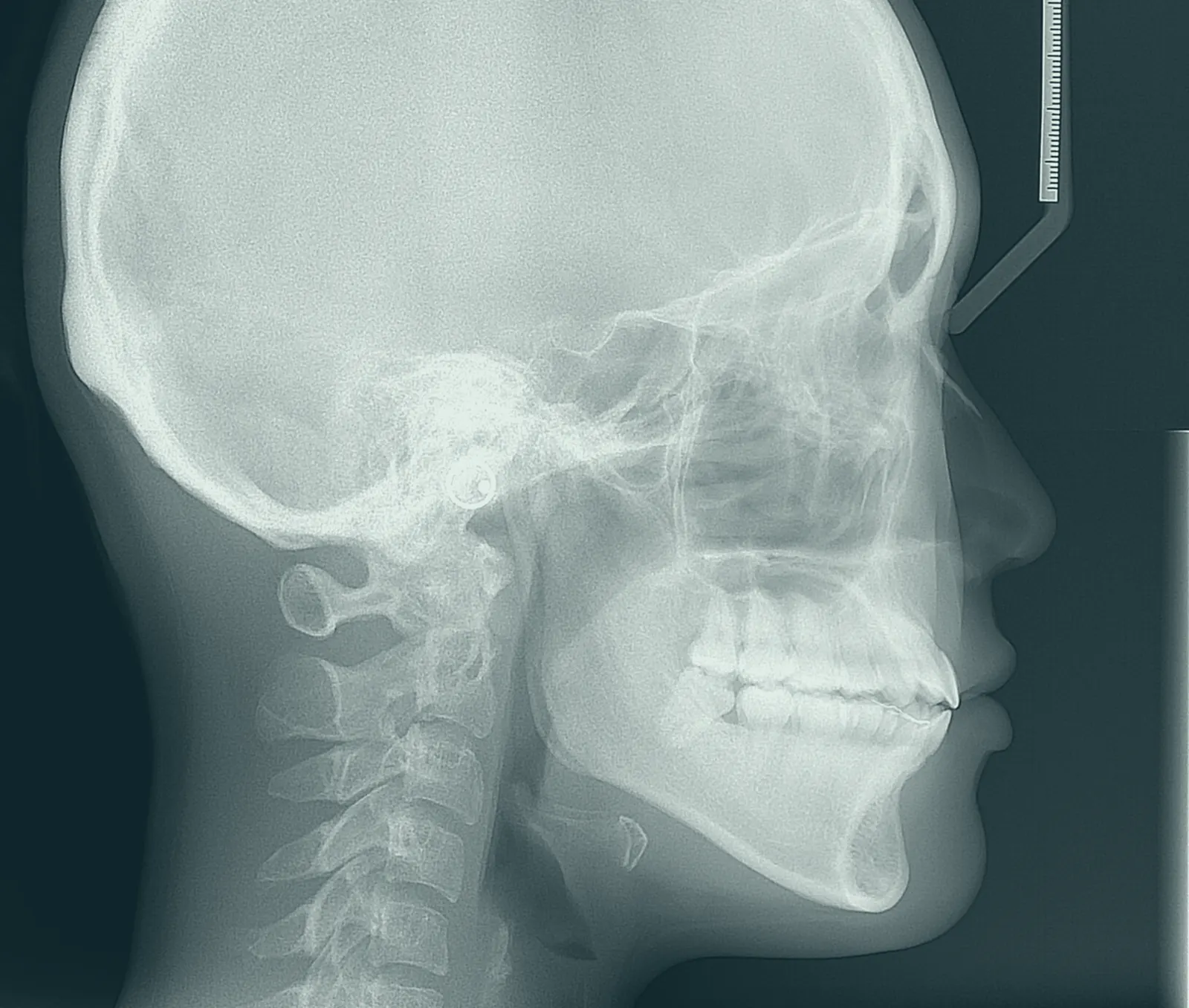
Lateral cephalometric radiograph of a human skull and jaw in profile, tinted blue-green. illustrative markers · not AI output
Radiograph: ANUG via Wikimedia Commons, CC BY-SA 4.0, tinted. Markers drawn by hand for design.

Three shifts

Where AI is showing up in the orthodontic workflow

  1. 01 · Records

    Tracing moves from hand to draft

    Deep-learning tools place cephalometric landmarks for the clinician to correct. Pooled accuracy in a 2021 meta-analysis sat near the 2 mm line.

  2. 02 · Between visits

    Monitoring moves to the patient’s phone

    Patient-taken scans are screened for tracking and appliance problems. FDA created a new device type for this in 2024.

  3. 03 · Planning

    AI moves inside the setup

    A Sep 2026 clearance adds an AI prediction service to aligner planning, with the doctor still approving every plan.

Lead case · updated 2026-10-31

AI in aligner treatment planning: what an FDA clearance does and does not tell you

FDA cleared an optional AI-enabled prediction service inside a clear-aligner treatment-planning system on Sep 25, 2026. We read the clearance summary and set out what it does and does not show.

Short answer

Too early to say. The clearance summary reports that pre-set acceptance criteria were met but publishes no figures.

L2 · Regulatory record Claims, checks, limits

How we grade sources

The evidence ladder

Each case names the strongest kind of source it used. A higher rung is stronger evidence about a claim. It is not a product rating, and it is never sold.

  1. 1 Vendor claim Press release, website or brochure from the company selling the tool. Tells you what to ask, not what is true.
  2. 2 Regulatory record FDA 510(k) or De Novo record and summary. Describes the sponsor's own testing as summarized for FDA. Clearance is not a comparison or an outcome study.
  3. 3 Peer-reviewed study Published cohort, accuracy study or systematic review of non-randomized studies. Has a method section; bias and setting limits still apply.
  4. 4 Randomized trial Patients or clinicians randomly assigned to use the tool or not, with an independent reference standard. We have not yet found one for these topics.

Full definitions and corrections policy

Directory

Tool categories